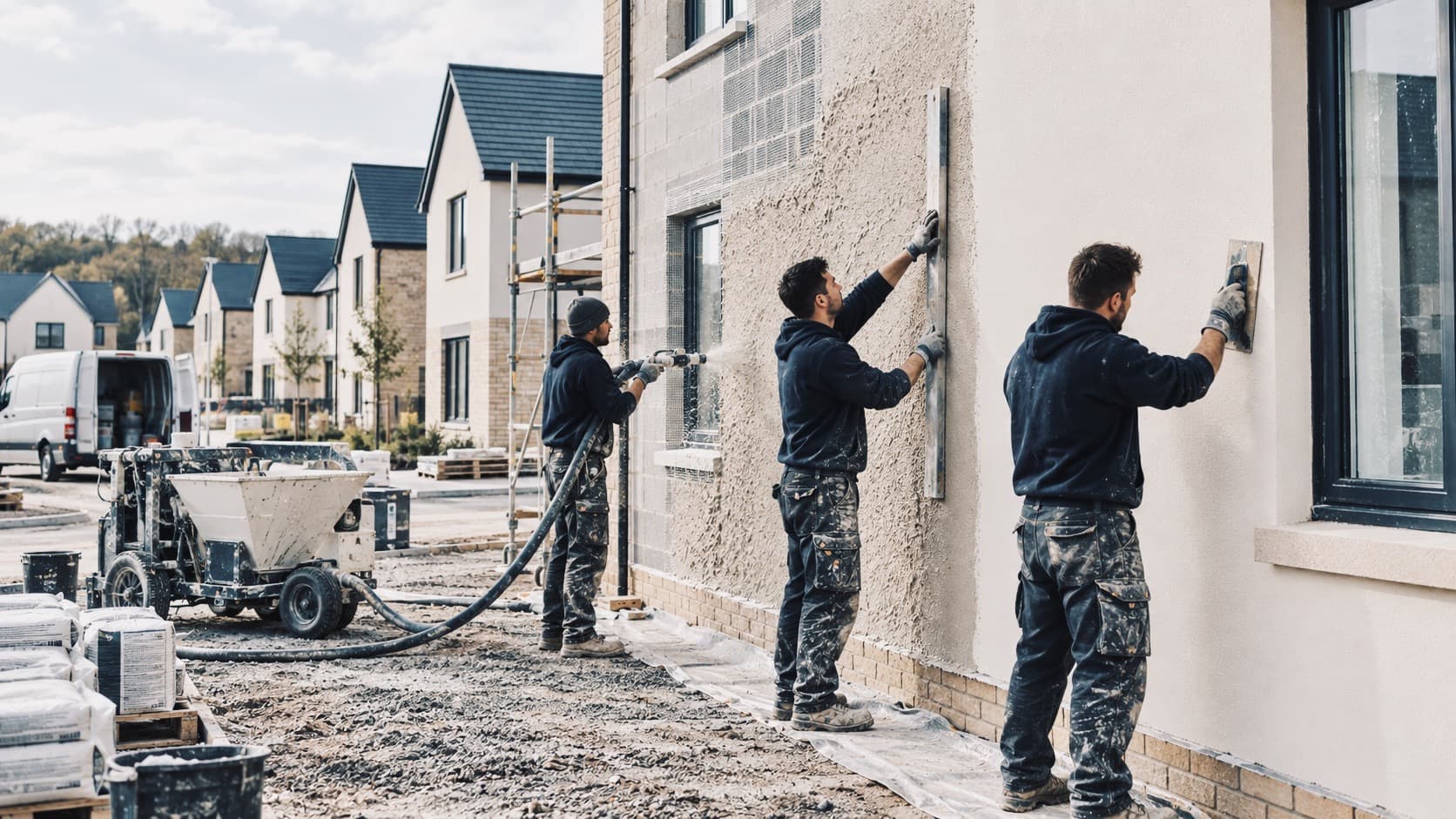
Skimming or replastering: what does your wall need?
Skimming can give an existing wall or ceiling a clean, smooth finish, but only when the surface underneath is suitable. If old plaster is loose, hollow, badly damaged or affected by an unresolved problem, simply covering it may only hide the issue temporarily.
What does skimming actually do?
Skimming is a thin finishing coat of plaster applied over a suitable existing surface or plasterboard.
It is useful for improving walls and ceilings that are structurally sound but have cosmetic defects such as minor unevenness, old repairs or a poor previous finish.
What it does not do is strengthen failing plaster underneath.
A wall can look relatively good at first glance but still contain areas that have lost their bond to the background. Applying another finish over those areas does not correct the underlying problem.
When is skimming usually suitable?
Skimming may be appropriate where the existing surface is stable and firmly attached, but needs a better finish.
Typical examples include walls with general surface wear, minor imperfections, old decorating marks or isolated repairs.
Before skimming, the background still needs to be properly prepared. Loose material, failing coatings and anything that could interfere with adhesion need to be dealt with first.
British Gypsum likewise advises that backgrounds should be made sound before skimming, with loose or unstable material removed rather than simply covered.
When might more extensive plastering be needed?
More work may be required where there are larger areas of:
- loose or crumbling plaster
- hollow or blown plaster
- deep damage
- repeated or significant cracking
- damaged plasterboard
- moisture-related deterioration
- previous repairs that have failed
That does not automatically mean stripping an entire room back to brick.
Often the right approach is to remove only the defective areas, repair the background and then create a consistent finished surface.
What is blown plaster?
“Blown” plaster generally describes plaster that has lost its bond with the surface behind it.
One sign can be a hollow sound when an area is lightly tapped, although that alone is not enough to determine the extent of the problem.
Small isolated areas can sometimes be repaired locally. If hollow or detached plaster is widespread, retaining it simply to skim over it is unlikely to produce a reliable result.
Can cracked plaster just be skimmed over?
It depends on the crack.
A small, stable surface crack is very different from a crack caused by continuing movement.
Before covering a crack, it is important to consider what caused it and whether it is still moving. Simply hiding an active crack with new plaster does not remove the cause, so it may return through the new finish.
Where movement, moisture or another underlying issue is suspected, that should be investigated first.
Does replastering mean taking everything back to brick?
Not necessarily.
“Replastering” is often used quite loosely. Depending on the condition of the room, the work might involve local removal and repair, replacing failed sections, overboarding a suitable surface, or removing larger areas before applying a new plaster system.
The appropriate method depends on what is already there.
How we assess an existing wall
We normally look at the condition of the whole surface rather than deciding from one crack or damaged patch.
That includes checking whether the existing plaster appears securely bonded, how widespread any damage is, whether previous repairs are failing and whether there are signs of moisture or movement that need resolving first.
Clear photographs of the full wall and close-ups of any damaged areas are often enough for us to give an initial view of what is likely to be required.
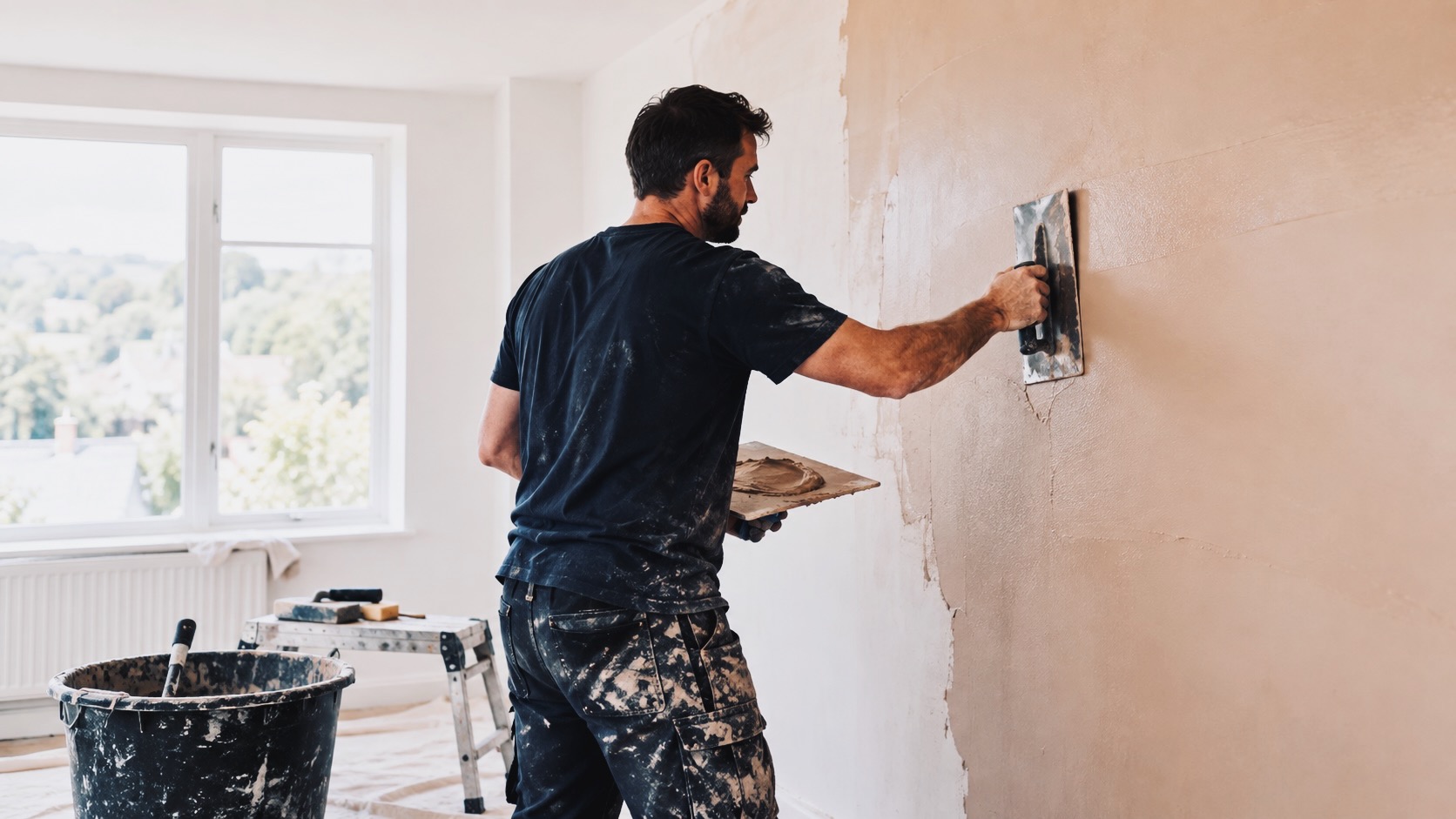
Not sure what your wall needs?
Send us a few photographs and a short description of the problem. We can advise on the likely next step and whether an assessment is needed.